By Tony Pagan, Travel Advisor · Published March 10, 2026
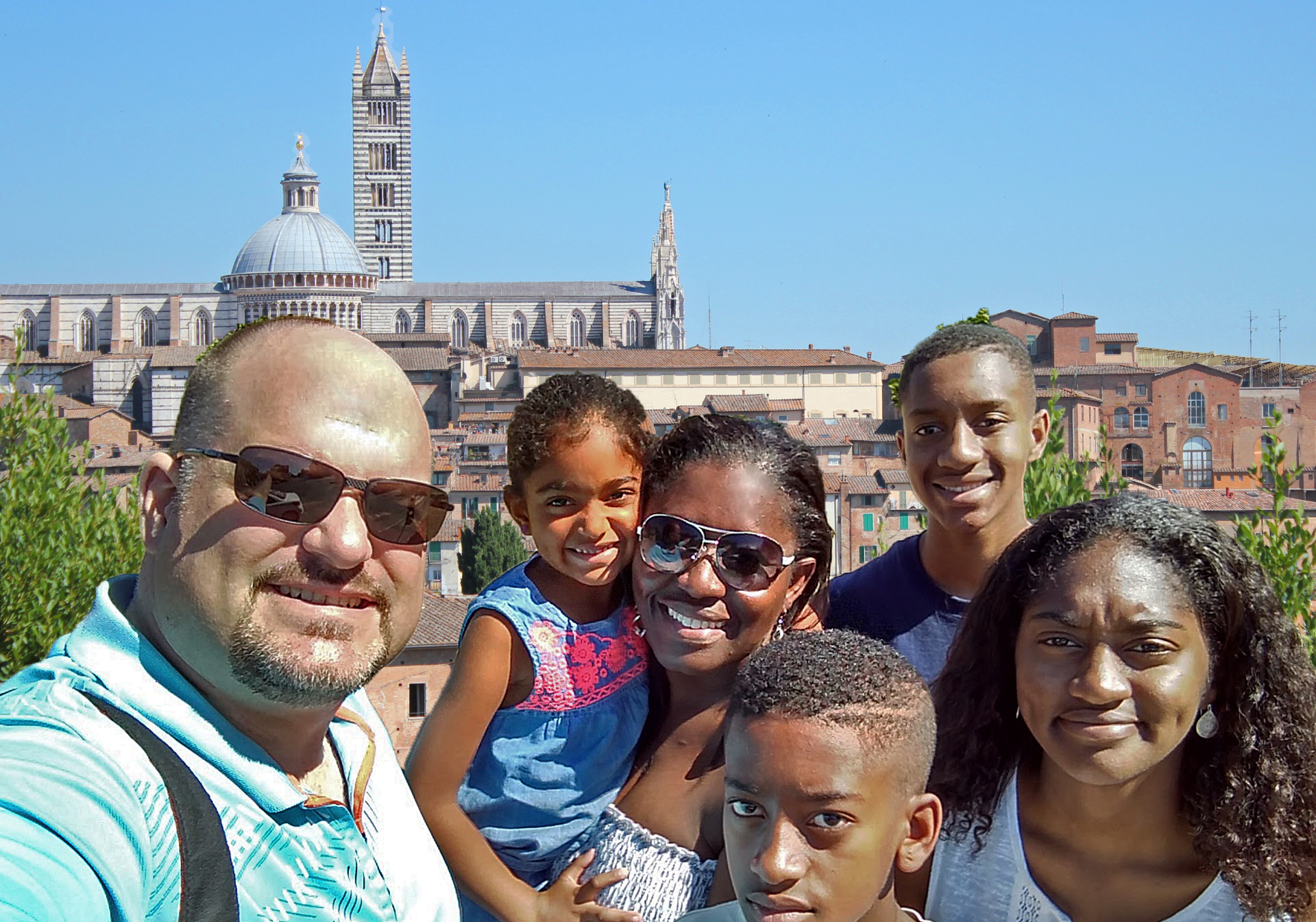
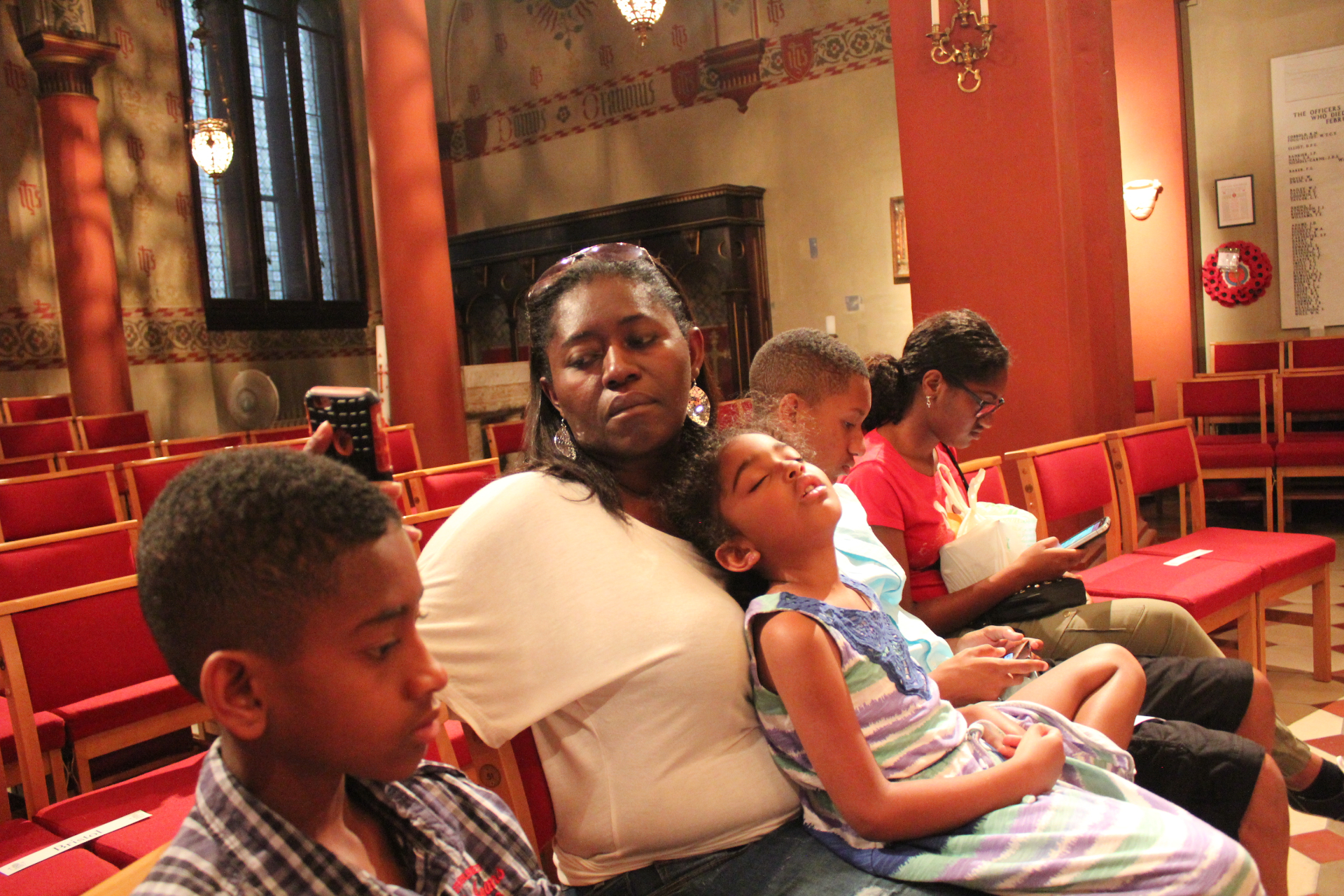
Let me be real with you: taking four kids to Italy sounded like either the best idea we ever had or a fast track to a family meltdown. Spoiler — it was the best idea. But it wasn't without its moments. The kind of moments where your five-year-old falls asleep in a 600-year-old church, your teenager refuses to look up from their phone at the Vatican, and everyone is hangry at the same time in a language they don't speak.
But here's the thing — Italy is one of the most family-friendly countries on earth. Italians genuinely love children. Restaurants welcome them. Gelato shops are on every corner. And the country's beauty has a way of breaking through even the most determined teenage eye-roll. You just need to know how to set it up right.
This guide is everything I wish someone had told me before our first family trip to Italy. No fluff, no "top 10 Instagram spots" nonsense — just honest, practical advice from a dad who's navigated Rome with a stroller, survived a Florentine heatwave with four kids, and lived to tell the tale.
When to Go (and When to Avoid)
Summer is when most families travel, but it's also when Italy is at its hottest and most crowded. If your kids' school schedule allows it, late May, early June, or September are the sweet spot — warm enough for gelato weather, cool enough that nobody's melting on the Spanish Steps.
July and August? It's doable, but expect temperatures above 35°C (95°F) in Rome and Florence. Plan your heavy sightseeing for mornings and evenings, and accept that the midday hours are for pool time, naps, or finding the best air-conditioned museum in town. The kids won't complain about a 2pm gelato break, I promise.
Avoid the Easter week rush unless you specifically want to experience the Vatican ceremonies. It's magnificent but packed, and long queues with small children are nobody's idea of fun.
Feeding Kids in Italy (Easier Than You Think)
If your children eat pasta, pizza, or bread — congratulations, Italy is your easiest destination ever. But even if you have picky eaters, Italian food is refreshingly simple and made with incredible ingredients. Here's what actually works:
- Eat like locals, not tourists. Skip the restaurants right next to major monuments (overpriced, underwhelming). Walk two blocks in any direction and you'll find a family-run trattoria where the food is better and half the price.
- Lunch is your big meal. Many restaurants offer "pranzo" (lunch) menus that are significantly cheaper than dinner. Plus, kids are usually in better moods at midday than at 8pm.
- Aperitivo is your secret weapon. Many bars offer free snacks — olives, chips, bruschetta, small sandwiches — when you order drinks (including non-alcoholic ones for kids). It's basically a free appetizer course.
- Embrace the food market. Every Italian city has a central market with fresh fruit, cheese, bread, and deli meats. Grab supplies for a picnic lunch in a park — cheaper, more relaxed, and kids can run around.
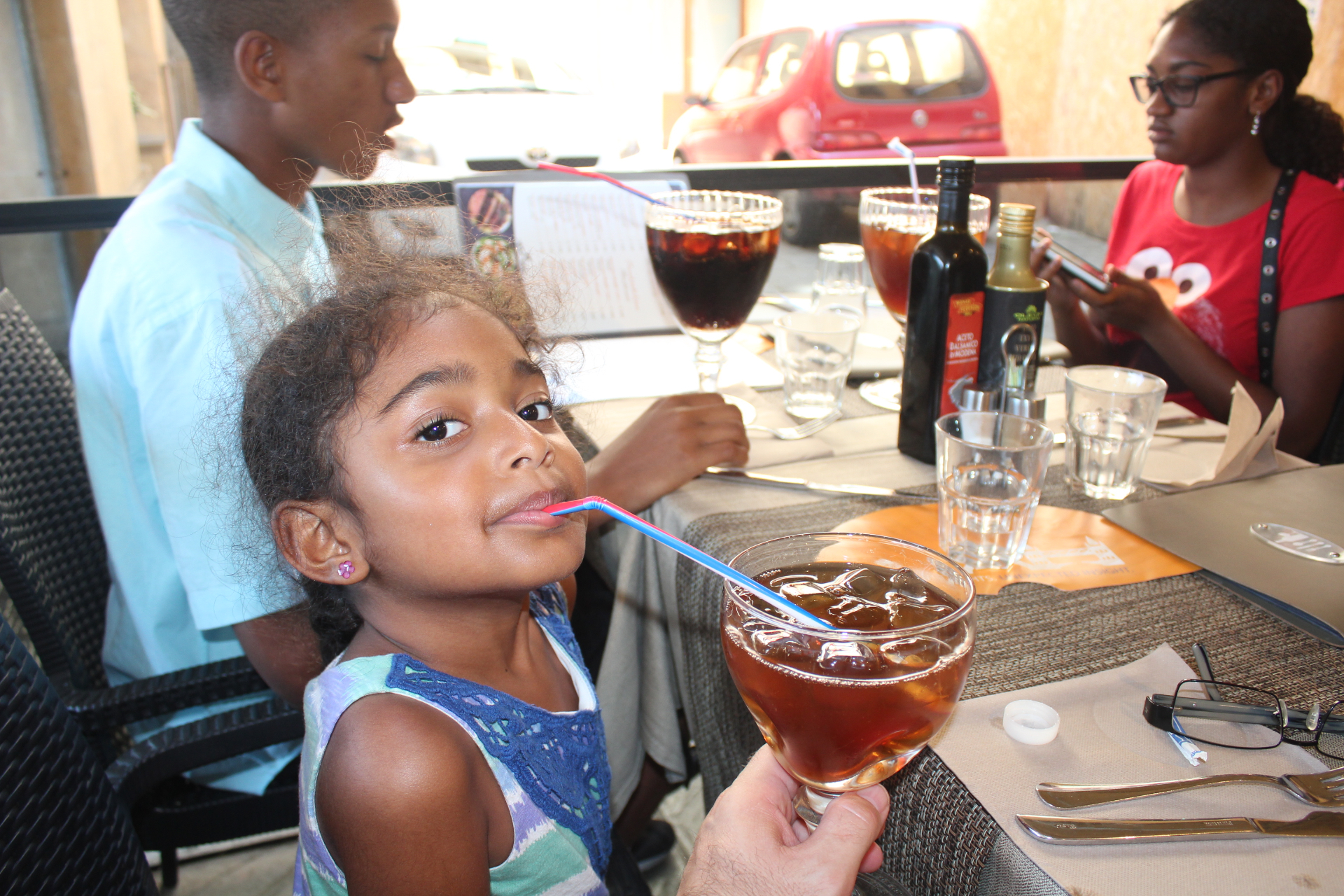
One more tip: Italian dinner starts late. Most restaurants don't open for dinner until 7:30 or 8pm, and locals don't eat until 9pm. If your kids can't wait that long, have a heavier merenda (afternoon snack) around 4–5pm — a panino, some fruit, maybe a slice of pizza al taglio — and push dinner to 7:30. Everyone will be happier.
Sightseeing with Kids: The Honest Truth
Here's the uncomfortable reality: kids have a limited tolerance for museums, churches, and ruins. Even the most cultured, well-traveled child will eventually hit the wall. The key isn't forcing it — it's strategic pacing.
The one-big-thing rule: Plan one major attraction per day, and build the rest of the day around kid-friendly activities. Visited the Colosseum this morning? Afternoon is for gelato, a park, and maybe a fun neighborhood walk. Spent the morning at the Uffizi? Afternoon is for crossing the Ponte Vecchio and finding the best view of Florence.
If you want a repeatable prep system for all of that booking, my free Ultimate Travel Planning Checklist walks through the timeline.
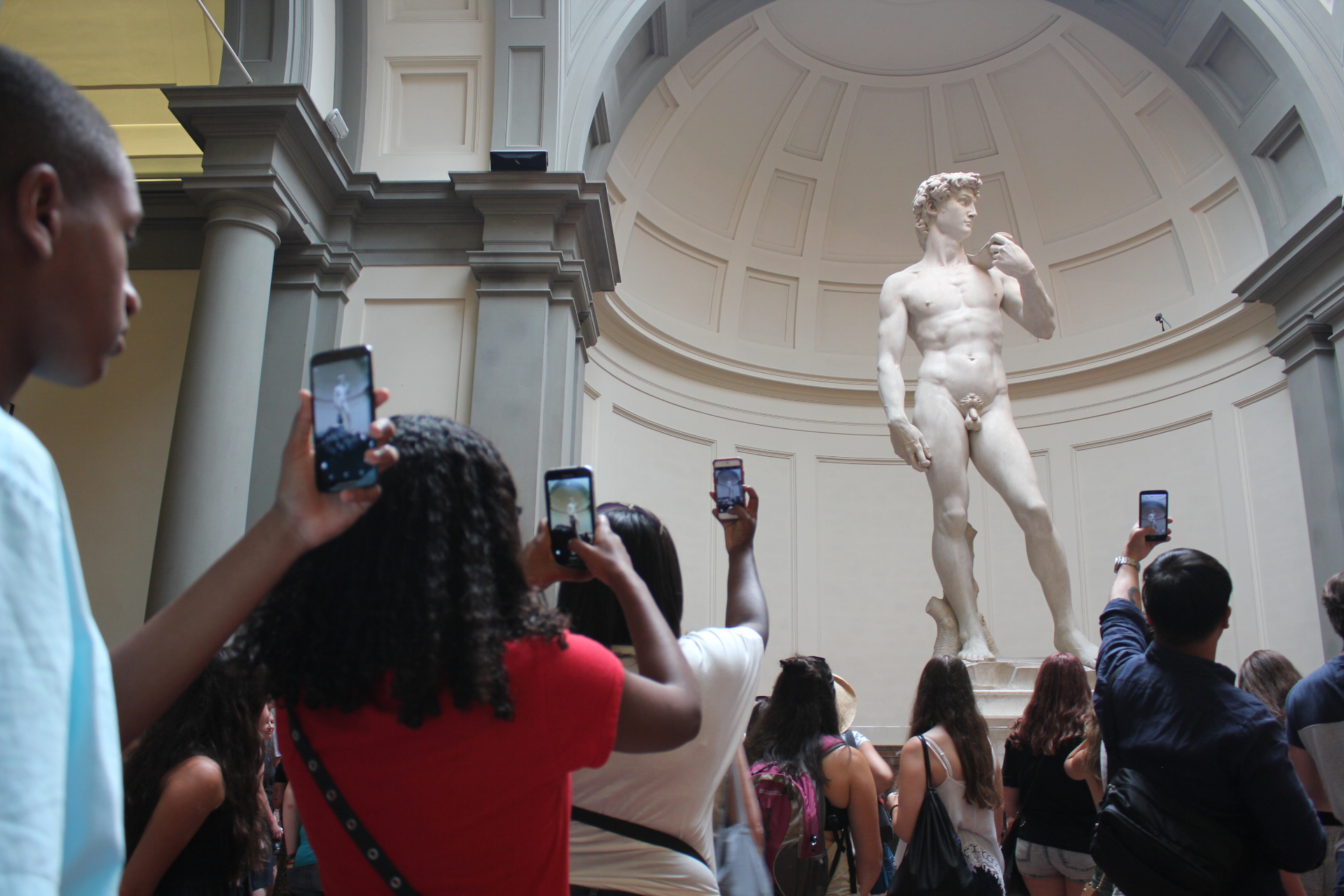
Skip-the-line tickets are mandatory with kids. Standing in a 90-minute queue at the Vatican with a restless six-year-old? Absolutely not. Book timed-entry tickets online, use a reputable guide service, or visit during off-peak hours. The money you spend on skip-the-line access pays for itself in preserved sanity.
Make it a game. Before visiting a museum or historic site, give each kid a "scavenger hunt" — find a painting with a dog in it, count the columns, spot the oldest thing in the room. It transforms a potentially boring museum visit into an adventure.
Churches are free — and magnificent. Italy's churches are essentially free museums filled with world-class art. They're also cool inside (literally), have benches for tired legs, and visits can be as short as 10 minutes. Just remember: shoulders and knees must be covered. Carry a light scarf or shawl for quick cover-ups. (That kind of layering is also the backbone of my carry-on packing strategy for Europe.)
The Gelato Strategy (Yes, It Deserves Its Own Section)
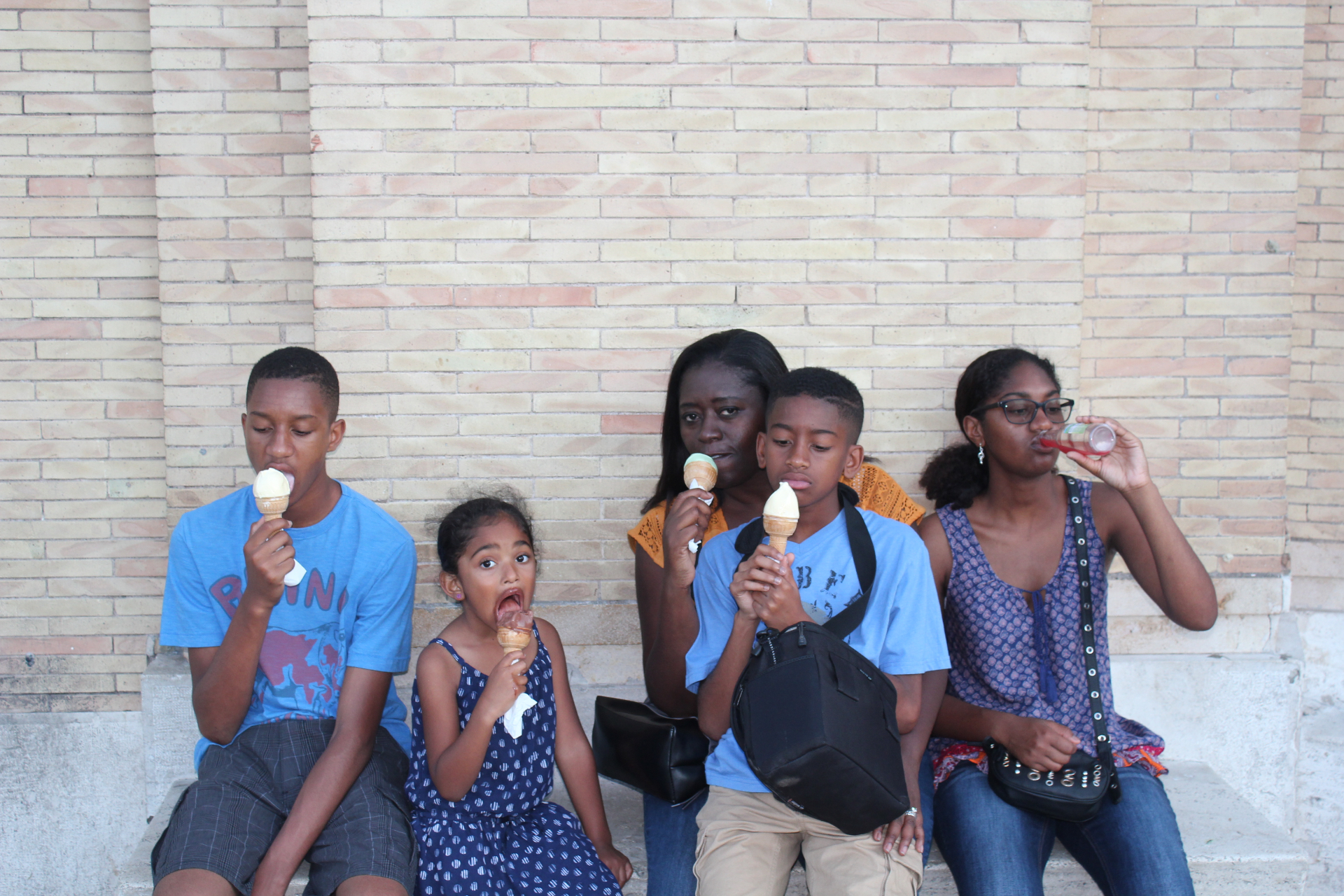
Gelato is not just dessert in Italy — it's a parenting tool, a bribery mechanism, a reward system, and a legitimate cultural experience. Here's how to use it wisely:
- Budget for daily gelato. It's non-negotiable. A small cone costs €2–3. Over two weeks, that's €30–40 per kid. Worth every cent for the peace it brings.
- Spot real gelato. Look for natural colors (pistachio should be dull green, not neon), covered metal tins rather than towering mounds, and shops that say "artigianale" (artisanal). If the banana gelato is bright yellow, walk away.
- Use it as motivation. "We're going to see one more painting, and then gelato." Works every single time. No shame.
- Let them try wild flavors. Ricotta and fig? Stracciatella? Crema? Kids are more adventurous when the stakes are ice cream.
Practical Tips That Actually Matter
- Trains over rental cars. Italy's train system is excellent. High-speed Trenitalia and Italo trains connect Rome, Florence, Venice, Naples, and Milan in 1–3 hours. Kids under 4 ride free, and under 15 get significant discounts. No parking nightmares, no ZTL fines, no stress.
- Pack a stroller — but make it light. If your child is under 4, bring a compact, lightweight umbrella stroller. Full-size strollers are a nightmare on cobblestones and narrow sidewalks. If your kid is 5+, skip the stroller entirely — they'll walk more than you expect.
- Accommodate strategically. Apartments beat hotels for families. You get a kitchen (breakfast saves money), a washing machine (life-changing), and separate sleeping areas (so you're not tiptoeing around at 8pm). Airbnb and Vrbo have excellent options throughout Italy.
- Water fountains are everywhere. Rome alone has over 2,500 nasoni (public drinking fountains). Bring refillable water bottles and fill up constantly. It's free, it's clean, and it keeps everyone hydrated.
- Download offline maps. Google Maps and Maps.me both offer offline downloads. Italian cell service can be spotty in rural areas, and you don't want to be lost in a hilltop town with no signal and three tired kids.
- Accept imperfection. Someone will cry. Someone will complain. Someone will refuse to eat anything except plain bread for three days. That's not a failed trip — that's a real trip. The memories your kids will carry from Italy are worth every difficult moment.
A Realistic 10-Day Family Italy Itinerary
Days 1–3: Rome
Colosseum, Roman Forum, Trevi Fountain, Vatican (book skip-the-line!), Trastevere for dinner, gelato everywhere.
Day 4: Day Trip to Pompeii or Tivoli
Pompeii is a 2-hour train ride and absolutely mind-blowing for kids. Alternatively, Villa d'Este in Tivoli has incredible fountains and gardens.
Days 5–7: Florence & Tuscany
Uffizi Gallery, climb the Duomo, Ponte Vecchio shopping, day trip to Siena or San Gimignano for that classic Tuscan hill town experience.
Days 8–9: Venice
Grand Canal water bus, St. Mark's Square, Murano glass-blowing demos, getting gloriously lost in the labyrinth of canals.
Day 10: Departure
One last cornetto and cappuccino. Pack the memories (and the extra gelato weight). Head home already planning the next trip.
Frequently Asked Questions
What's the best age to take kids to Italy?
Any age works, but kids ages 5–15 tend to get the most out of it. They're old enough to appreciate the history and food, and young enough to still think gelato three times a day is the greatest achievement in life. That said, we brought our youngest when she was four and she still talks about it years later.
Is Italy safe for families?
Absolutely. Italy is one of the safest countries in Europe for family travel. The biggest risks are cobblestone tripping hazards and eating too much pasta. Petty pickpocketing exists in tourist areas (Rome's metro, Florence's train station), so keep valuables secure — but violent crime affecting tourists is extremely rare.
How much does a family trip to Italy cost?
Budget roughly €150–250 per day for a family of four (mid-range), covering accommodation, food, transportation, and activities. You can go higher with luxury hotels and private guides, or lower with apartment rentals and market picnics. Flights are extra — book early and consider flying into one city and out of another to avoid backtracking.
Should I rent a car in Italy?
For cities (Rome, Florence, Venice): absolutely not. Parking is expensive, ZTL restricted zones will get you fined, and public transportation is excellent. For Tuscany countryside, Amalfi Coast, or Sicily: a rental car gives you wonderful freedom, but be prepared for narrow mountain roads and assertive Italian driving.
Ready to Plan Your Family's Italian Adventure?
I've been to Italy more times than I can count — with kids every time. Start with how I plan Italy and family trips, then send me your dates when you're ready.
About the Author
Tony Pagan — Travel Advisor & Content Creator
Tony Pagan is a professional travel advisor and the founder of Tony Talks Travel. With over 40 countries of first-hand experience, Tony specializes in custom itineraries, cruise planning, Italy & European travel, family vacations, and luxury escapes. He is a Fora Travel Advisor dedicated to helping travelers explore the world with confidence.
Read Tony's Full Story