By Tony Pagan, Travel Advisor · Published March 18, 2026 · Last updated August 12, 2026
Picture this: you're in Rome, dragging a 50-pound suitcase over uneven cobblestones in 90-degree heat while your Airbnb is "just a short walk from the station." Your shoulder is screaming, one wheel is already wobbling, and every set of stairs feels like a personal attack. Meanwhile, the person breezing past you with a single carry-on? They're already checked in, sipping limoncello on their terrace, and living their best life.
I've been that person with the giant suitcase. I've also been the carry-on-only traveler. And I can tell you from over 40 countries of experience: packing light doesn't just save you baggage fees — it transforms the entire trip. You move faster, stress less, and feel genuinely free.
Two weeks in Europe with just a carry-on sounds impossible, right? It's not. I've done it. My family has done it. And after you read this guide, you'll know exactly how to do it too. Most of those trips were built around my Italy and Europe itineraries.

Why Carry-On Only Is the Smartest Way to Travel Europe
Europe is magnificent, but it was not designed for oversized luggage. Here's the reality on the ground:
- Train stations have stairs — lots of them. Not every platform has an elevator or escalator. You'll be hauling your bags up and down narrow stairwells, sometimes multiple times in a single journey.
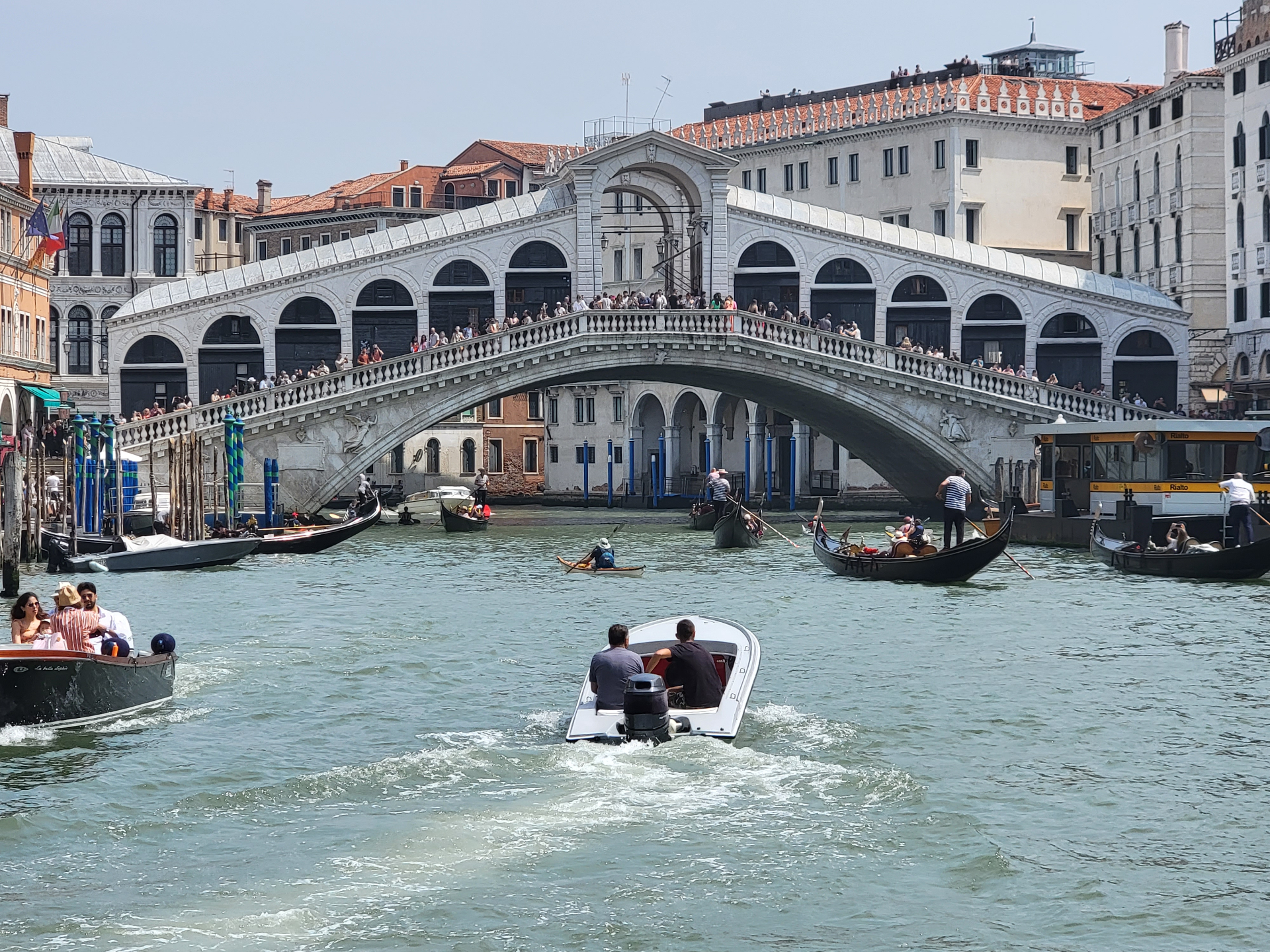
- Cobblestones are everywhere. From Venice to Prague, those gorgeous cobblestone streets will destroy rolling luggage wheels — and your patience along with them.
- Budget airlines are strict. Ryanair, EasyJet, Vueling — they all have tight carry-on dimensions and aggressive weight limits. A checked bag on a budget flight can cost more than the ticket itself.
- Hotel elevators are… compact. Many European hotels, especially charming boutique ones, have elevators the size of a phone booth. Or no elevator at all — just a beautiful spiral staircase up to the fourth floor.
- Lost luggage is real. Airlines mishandle millions of bags every year. When your entire trip fits in your carry-on, that's one worry you can cross off completely.
The bottom line? Packing light in Europe isn't about deprivation. It's about freedom, flexibility, and traveling like a pro.
My Exact 2-Week Packing Formula
Here's the secret: you don't need 14 outfits for 14 days. You need a small capsule wardrobe built around mix-and-match pieces in a neutral color palette. Here's my formula:
Tops: 5–6 Total
Bring 3–4 short-sleeve or lightweight tops plus 1–2 long-sleeve options. Stick to colors that all work together — navy, white, olive, grey, black. Every top should pair with every bottom. Merino wool is a game-changer here: it's naturally odor-resistant, wrinkle-resistant, and dries quickly. One merino tee can last 3–4 wears between washes.
Bottoms: 3 Pairs
Two pairs of versatile pants (chinos, dark jeans, or travel pants) and one pair of shorts or a casual skirt. Choose fabrics that resist wrinkles and dry fast. Dark colors hide stains and look dressier.
Shoes: 2–3 Pairs Maximum
This is where most people blow their packing budget. You need: one pair of comfortable walking shoes you'd happily wear for 8 miles a day (broken in before the trip!), one pair of versatile sandals for warm days and evenings, and optionally one pair of dressier shoes if your itinerary calls for it. Wear your bulkiest pair on the plane.
Layers for Weather Changes
European weather is unpredictable. Even in summer, evenings can be cool in Northern Europe, and an unexpected rain shower is always possible. Pack a lightweight, packable rain jacket (not an umbrella — your hands need to be free), a mid-layer fleece or sweater, and a versatile scarf that can double as a blanket on flights.
Travel Day Outfit Strategy
Wear your bulkiest items on the plane: your heaviest shoes, your jacket, your jeans. This frees up space in your bag and keeps you warm on chilly flights. I always travel in a comfortable but put-together outfit I'd be happy to sightsee in if my bag were delayed.
The Laundry Plan
This is what makes carry-on travel truly sustainable for two weeks. You have three options:
- Sink washing: Quick-dry fabrics can be washed in the sink and hung to dry overnight. Bring a small packet of travel laundry detergent or a few sink-wash sheets.
- Laundromats: Available in virtually every European city. Budget an hour and a few euros midway through your trip — it's actually a fun cultural experience.
- Hotel laundry service: More expensive, but worth it if you're in one place for a few nights and want the convenience.
I usually do one sink wash every 3–4 days and one laundromat visit around day 7. This system has never let me down.
The Carry-On Bag Strategy
Not all carry-on bags are created equal — especially in Europe. Here's what you need to know:
Size matters. Most European airlines allow carry-ons up to 55 × 40 × 20 cm (roughly 22 × 16 × 8 inches). Some budget carriers are stricter — Ryanair's standard carry-on is just 40 × 20 × 25 cm unless you pay for priority boarding. Check your airline's requirements before you buy a bag.
Hard shell vs. soft? I prefer a soft-sided bag for carry-on travel. It's lighter, slightly flexible (helpful for squeezing into overhead bins), and usually has exterior pockets for quick access. If you prefer hard shell, go for a lightweight polycarbonate model.
Packing cubes are non-negotiable. They compress your clothing, keep everything organized, and make it easy to find what you need without unpacking your entire bag. I use a set of four: one for tops, one for bottoms, one for underwear and socks, and one for dirty laundry.
Your personal item is your second bag. Use a daypack or structured tote as your "personal item." This carries your laptop, travel documents, snacks, headphones, and a change of clothes in case your carry-on gets gate-checked. During the trip, this doubles as your daily sightseeing bag.

Toiletries & Liquids Strategy
If you're flying through a U.S. security checkpoint, the TSA liquids rule shapes your whole toiletry kit: carry-on liquids, gels, aerosols, creams, and pastes generally must be in containers of 3.4 ounces (100 ml) or less and generally must fit in one quart-sized clear bag. Exceptions can apply — medically necessary liquids are treated differently, for example — and rules differ outside the U.S., so check the current security requirements for every airport and country on your itinerary. The TSA liquids, aerosols, and gels rule has the current U.S. limits. Here's how to make it work:
- Decant everything. Transfer your daily-use products into travel-sized silicone bottles. You don't need an entire bottle of shampoo for two weeks.
- Go solid. Shampoo bars, conditioner bars, and solid deodorant eliminate liquids entirely. Brands like Ethique and HiBAR make excellent travel-friendly options.
- Buy in Europe. Sunscreen, body wash, and basic toiletries are available at pharmacies and supermarkets everywhere. European pharmacies are wonderful — well-stocked, affordable, and often carry higher-quality products than what you'd find at home.
- Skip what hotels provide. Most hotels offer shampoo, conditioner, body wash, and lotion. Don't duplicate what's waiting for you.
Tech & Travel Essentials
This is where people overpack dramatically. Here's what actually matters:
- Universal adapter: Europe uses Type C and Type G (UK) plugs. One good universal adapter with USB ports covers everything.
- Portable charger: A 10,000–20,000 mAh power bank keeps your phone alive through long sightseeing days. Non-negotiable.
- Phone + camera: Modern smartphones shoot incredible photos. Unless you're a serious photographer, you don't need a separate camera.
- Travel documents folder: Keep digital copies of your passport, insurance, hotel confirmations, and tickets in a cloud folder and in an offline app on your phone. Carry one physical backup in your daypack.
- Noise-canceling earbuds: Worth every penny on long flights and train rides.
What you don't need: a laptop (unless you work remotely), a tablet and a phone, multiple charging cables for devices you won't use, or a travel iron. The specific bags, adapters, and packing cubes I travel with are listed in my travel essentials shop.
Common Overpacking Mistakes (and How to Avoid Them)
- "Just in case" items. If you haven't used it on the last three trips, leave it home. Europe has stores. You can buy what you need.
- Too many shoes. Shoes are the heaviest, bulkiest items in your bag. Three pairs is the absolute max. Two is ideal.
- A different outfit for every day. Nobody on your trip is tracking your outfits. Rewear. Mix. Match. You'll look great.
- Full-size toiletries. A full bottle of shampoo weighs as much as an extra outfit. Decant or go solid.
- Heavy guidebooks. Download digital versions or use Google Maps saved lists instead. Your phone is lighter than a Lonely Planet.
- Formal "going out" outfits. Unless you're attending the opera in Vienna, you don't need a blazer and dress shoes. Europeans dress smart-casual — you should too.
- Packing for comfort at the destination instead of mobility. That plush bathrobe feels nice at home. It has no place in a carry-on.
The Master 14-Day Europe Packing List
Screenshot this. Print it. Tape it to your suitcase. This is everything you need for two weeks in Europe. If you want the wider trip version — documents, bookings, and pre-departure timing — grab the free Ultimate Travel Planning Checklist.
👕 Clothing
- 4–5 tops (mix of short & long sleeve)
- 2 pairs of pants / trousers
- 1 pair of shorts or casual skirt
- 1 lightweight dress or smart outfit
- 7 pairs of underwear
- 4–5 pairs of socks (merino if possible)
- 1 swimsuit
- 1 packable rain jacket
- 1 mid-layer (fleece or sweater)
- 1 versatile scarf
- Sleepwear (1 set)
👟 Shoes & Accessories
- 1 comfortable walking shoes (wear on plane)
- 1 sandals or casual flats
- 1 pair of dressier shoes (optional)
- Sunglasses
- Hat or cap
- Watch (optional)
- Small crossbody or money belt
🧴 Toiletries
- Toothbrush & toothpaste
- Deodorant (solid preferred)
- Shampoo bar or travel-size
- Face wash & moisturizer
- Sunscreen (travel-size)
- Razor
- Medications & vitamins
- Small first-aid kit
- Travel laundry detergent sheets
📱 Tech & Documents
- Phone + charger
- Portable power bank
- Universal adapter (with USB)
- Noise-canceling earbuds
- Passport — check your destination's required validity period; some countries require at least six months beyond your travel dates
- Travel insurance documents
- Copies of all confirmations
- 1–2 pens (for customs forms)
- eSIM or international phone plan
Passport rules vary by destination and can also affect whether an airline lets you board, so confirm the current entry requirements for each country you'll visit with the U.S. State Department passport FAQ.

You've Got This
Packing light for two weeks in Europe isn't about sacrificing comfort — it's about gaining freedom. Freedom to hop on a train without stress. Freedom to walk down narrow alleyways in Florence without bumping into everything. Freedom to fly budget airlines without paying more for baggage than the flight itself.
Once you experience Europe with a single carry-on, you'll never go back to overpacking. You'll walk faster, explore more, and spend your energy on the moments that matter — not on wrestling with luggage.
And if you're planning a European trip and want help building the perfect itinerary, that's exactly what I do. I help travelers just like you plan smarter, pack lighter, and experience the world with confidence.
Carry-On Packing Questions
Can you really do two weeks in Europe with only a carry-on?
Yes. The trick is a tight capsule wardrobe of mix-and-match pieces, no more than two or three pairs of shoes, and doing a small load of laundry mid-trip instead of packing a fresh outfit for every day.
How do I handle liquids in a carry-on?
Decant your daily-use products into small travel bottles that fit the clear liquids bag your airport requires (check the current limits before you fly), switch to solid shampoo, conditioner, and deodorant where you can, and buy bulky basics like sunscreen and body wash at a pharmacy after you land.
What plug adapter do I need in Europe?
Most of continental Europe uses Type C plugs and the UK uses Type G, so one good universal adapter with built-in USB ports covers the whole trip. Pair it with a 10,000–20,000 mAh power bank for long sightseeing days.
What are the most common overpacking mistakes?
Too many shoes, full-size toiletries, a separate outfit for every day, heavy guidebooks, and formal clothes you will never wear. If you have not used an item on your last three trips, leave it home.
Want the Rest of the Plan Handled?
Packing is one piece. The Stress-Free Trip Planner Kit walks you through the rest — documents, bookings, and day-by-day organizing — and if you'd rather hand it off, just send me your trip details.
Happy travels, friends. Pack light and go far. 🌍
About the Author
Tony Pagan — Travel Advisor & Content Creator
Tony Pagan is a professional travel advisor and the founder of Tony Talks Travel. With over 40 countries of first-hand experience, Tony specializes in custom itineraries, cruise planning, Italy & European travel, family vacations, and luxury escapes. He is a Fora Travel Advisor dedicated to helping travelers explore the world with confidence.
Read Tony's Full Story