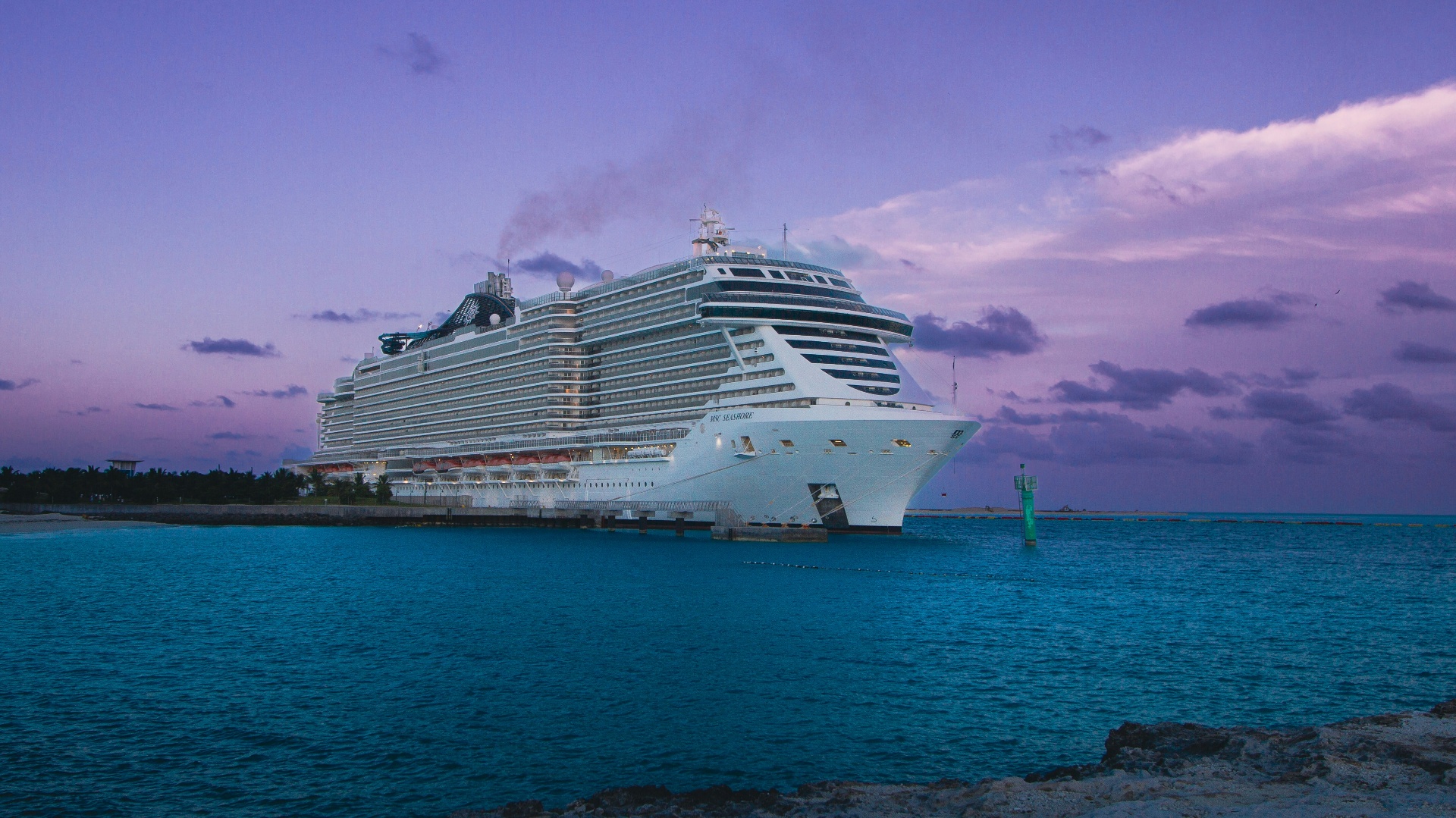
By Tony Pagan, Travel Advisor · Published March 27, 2026 · Last updated August 12, 2026
There's nothing quite like stepping aboard a cruise ship for the first time. The excitement of exploring a floating city, waking up in a new destination every morning, and having everything — from gourmet dinners to poolside cocktails — taken care of for you. It's magical, and honestly? It's one of the best ways to see the world.
But here's the thing: cruising isn't the same as booking a hotel room and wandering around a city. There are things you need to know before you go — little details that can make the difference between an incredible vacation and an "I wish someone had told me that" experience.
I've been on more cruises than I can count, everywhere from the Norwegian fjords to the Caribbean islands, and I've seen first-timers make the same mistakes over and over again. So let me be your well-traveled friend for a minute and walk you through the top 10 mistakes — and exactly how to avoid every single one of them.
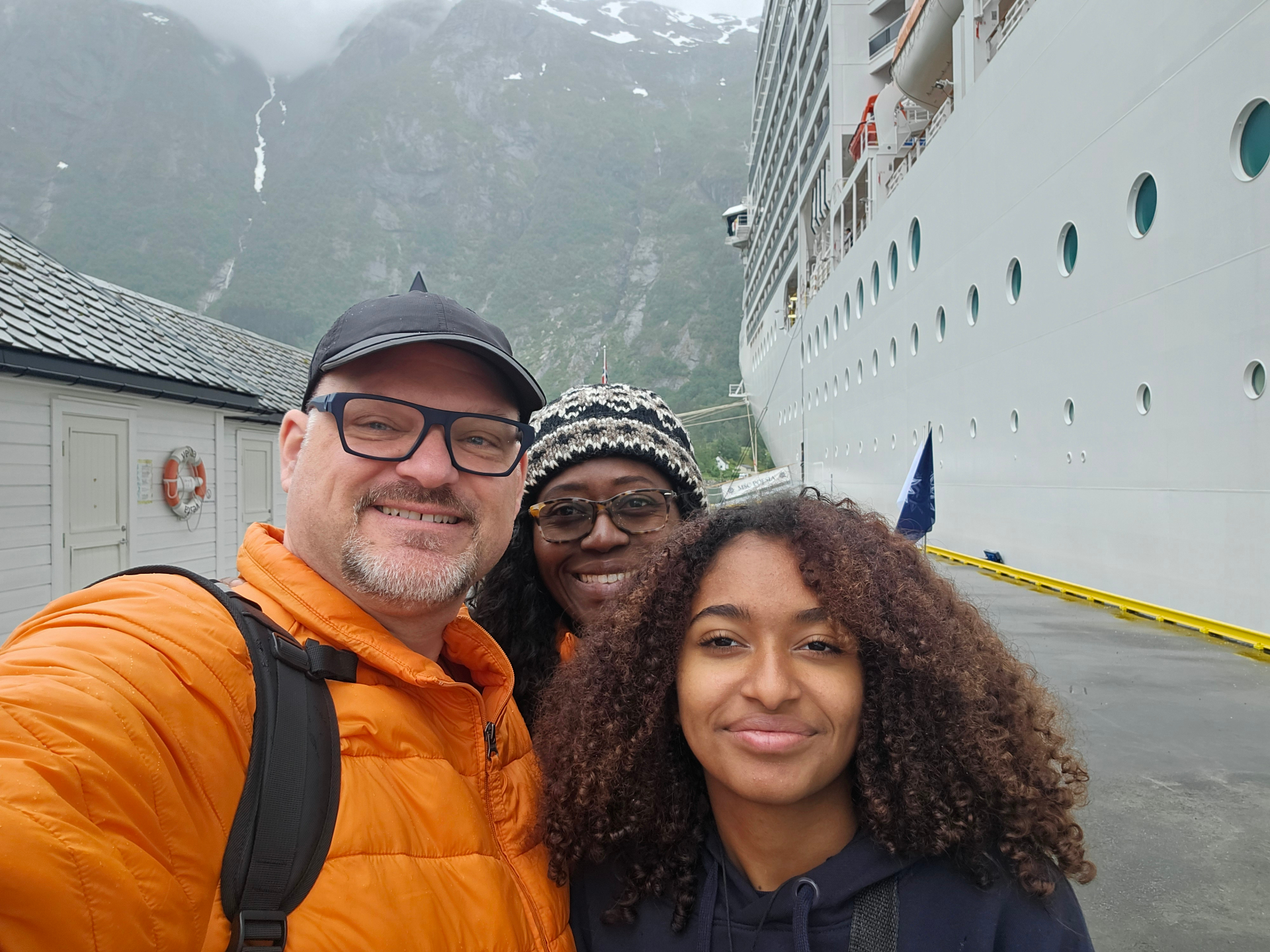
1. Arriving at the Port on Embarkation Day with No Buffer
This is the number one mistake I see. People book a flight that lands the same morning as their cruise — sometimes just a couple of hours before boarding. And then their flight gets delayed, their luggage is lost, or traffic from the airport to the port is a nightmare.
The consequence? The ship leaves without you. Cruise ships do not wait. They have strict departure schedules tied to port fees, tides, and itinerary logistics.
What to do instead: Fly in at least one day early. Book a hotel near the port the night before. This gives you a buffer for any travel hiccups, and you'll board the ship relaxed instead of stressed. Think of it as the first night of your vacation — explore the embarkation city, grab a great dinner, and wake up ready to sail.
2. Overpacking (or Packing the Wrong Things)
The two lists below cover the essentials for both climates. If you'd rather work from something you can check off as you pack, I put the same thinking into my free Cruise Packing Essentials guide.

I get it — you want to be prepared for everything. But dragging three oversized suitcases onto a cruise ship means cramming everything into a cabin that's already cozy by design. And worse, many first-timers pack completely wrong for their itinerary.
The consequence? You'll waste precious cabin space, struggle with laundry, and might not have the right gear when you actually need it — like reef-safe sunscreen for the Caribbean or a proper waterproof jacket for Alaska.
What to do instead: Pack based on your actual itinerary, not "just in case." Below, I've put together two packing lists — one for warm-weather cruises and one for cold-weather cruises — so you know exactly what to bring.
Warm Weather Cruise Packing
- Lightweight, breathable clothing (linen, cotton)
- Swimsuits (at least 2–3)
- Reef-safe sunscreen (SPF 50+)
- Wide-brim hat and quality sunglasses
- Water shoes for rocky beaches
- A light rain jacket or poncho
- Comfortable walking shoes / sandals
- Formal night outfit (check cruise line dress code)
- Aloe vera gel for sunburn
- Insect repellent for port excursions
- Reusable water bottle
- Waterproof phone pouch
- Light cardigan for air-conditioned dining rooms
- Dry bag for beach days
Cold Weather Cruise Packing
- Layering system (base, mid, outer layers)
- Waterproof, insulated jacket
- Thermal base layers (merino wool is best)
- Warm hat, gloves, and scarf
- Waterproof hiking boots
- Thick wool socks (pack extras)
- Binoculars for wildlife & glacier viewing
- Hand and toe warmers
- Moisturizer and lip balm (cold air is dry)
- Formal night outfit
- Motion sickness remedies (cold-water seas can be rough)
- Camera with zoom lens
- Neck gaiter / balaclava for windy decks
- Packable down vest for layering flexibility
3. Not Booking Shore Excursions in Advance
Shore excursions are often the highlight of any cruise — snorkeling in Cozumel, exploring the ruins in Rome, dog-sledding in Alaska. But the most popular ones sell out fast, sometimes weeks before the ship even sails.
The consequence? You arrive in a stunning port and find that all the best excursions are full. You're left wandering the tourist-trap area near the dock instead of having the experience of a lifetime.
What to do instead: Research your ports early and book excursions as soon as your cruise booking is confirmed. You can book through the cruise line or through reputable third-party companies. Pro tip: third-party excursions are often less expensive and more personalized, but always confirm the "guaranteed return to ship" policy.
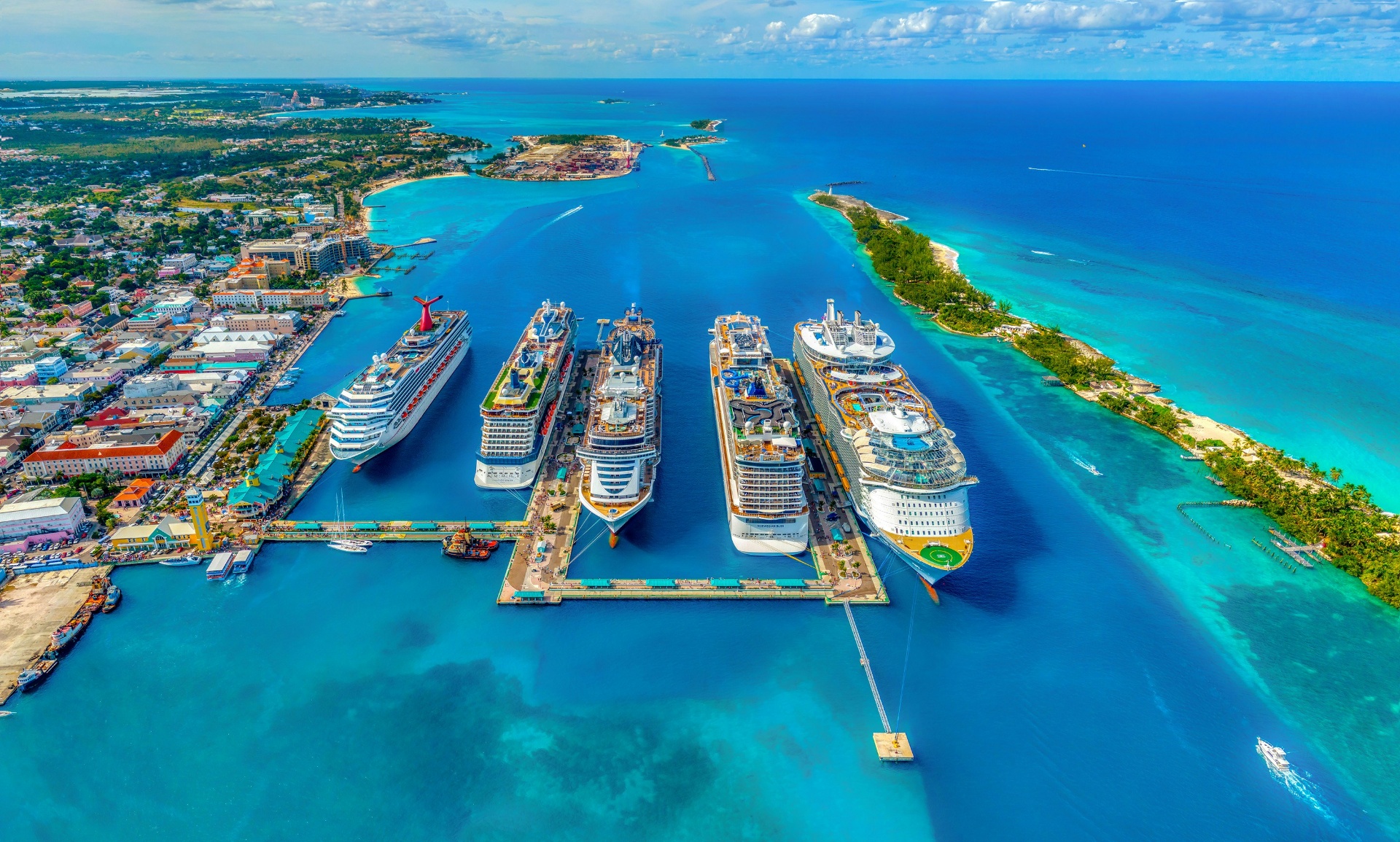
4. Ignoring the Drink Package Math
Cruise lines love promoting their unlimited drink packages, and it's easy to see why: individual beverage prices vary by cruise line, ship, sailing, and what you order, and a few purchases a day — coffees, sodas, bottled water, cocktails — add up faster than most first-timers expect. But here's where first-timers slip up: they either buy the package and barely use it, or they skip it and end up with a bar tab the size of a mortgage payment.
What to do instead: Do the math with your own numbers. As a purely hypothetical example, if a package were $70 per day and drinks were $14 each, you'd need roughly five drinks a day to break even — but those are illustrative figures, not current averages. Substitute your sailing's actual package price, the current onboard menu prices, any applicable service charges, and the number of beverages you realistically expect to buy. Package pricing varies by sailing, as you can see on Royal Caribbean's beverage package guide (one line's example — every cruise line prices differently). On sea days lounging by the pool, five drinks is easy. On port days when you're off the ship exploring? Not so much. Many cruise lines also offer coffee and soda-only packages that are a great middle ground. If you like to map out on-board spending before you sail, the Stress-Free Trip Planner Kit has budget worksheets for exactly this.
5. Skipping Specialty Dining Reservations
Most cruise ships have incredible specialty restaurants — Italian trattorias, sushi bars, steakhouses — that go way beyond the main dining room. But they have limited seating, and first-timers don't realize these fill up fast, especially on the first couple of sea days.
What to do instead: Book specialty dining as soon as you board (or even before, through the cruise line's app). Many ships let you reserve dining times during the check-in process. Don't sleep on this — the main dining room is great, but that lobster tasting menu at the specialty restaurant? That's the experience you'll be telling your friends about.
6. Not Understanding the Tipping System
Tipping on a cruise is different from tipping at a restaurant on land. Most cruise lines automatically add daily gratuities or service charges to your onboard account, and the amount varies by cruise line, cabin category, itinerary, and booking terms. Confirm the current amount directly with the cruise line before calculating your trip budget. These charges go to your cabin steward, waitstaff, and behind-the-scenes crew who make your trip possible.
Current official examples, each specific to that line and not a universal figure: Royal Caribbean's onboard gratuity FAQ, Carnival's gratuities help page, and Norwegian Cruise Line's FAQ.
The consequence? First-timers are often shocked when they see hundreds of dollars in gratuities on their final bill. Or worse, they remove the auto-gratuity not realizing that these crew members depend on it.
What to do instead: Budget for gratuities from the start. They're part of the cruise experience, and honestly, the service you receive on board is extraordinary. If someone goes above and beyond — your cabin steward who creates towel animals every night, or your bartender who remembers your favorite drink — consider tipping them a little extra in cash at the end of the voyage. It means the world to them.
7. Forgetting Important Documents
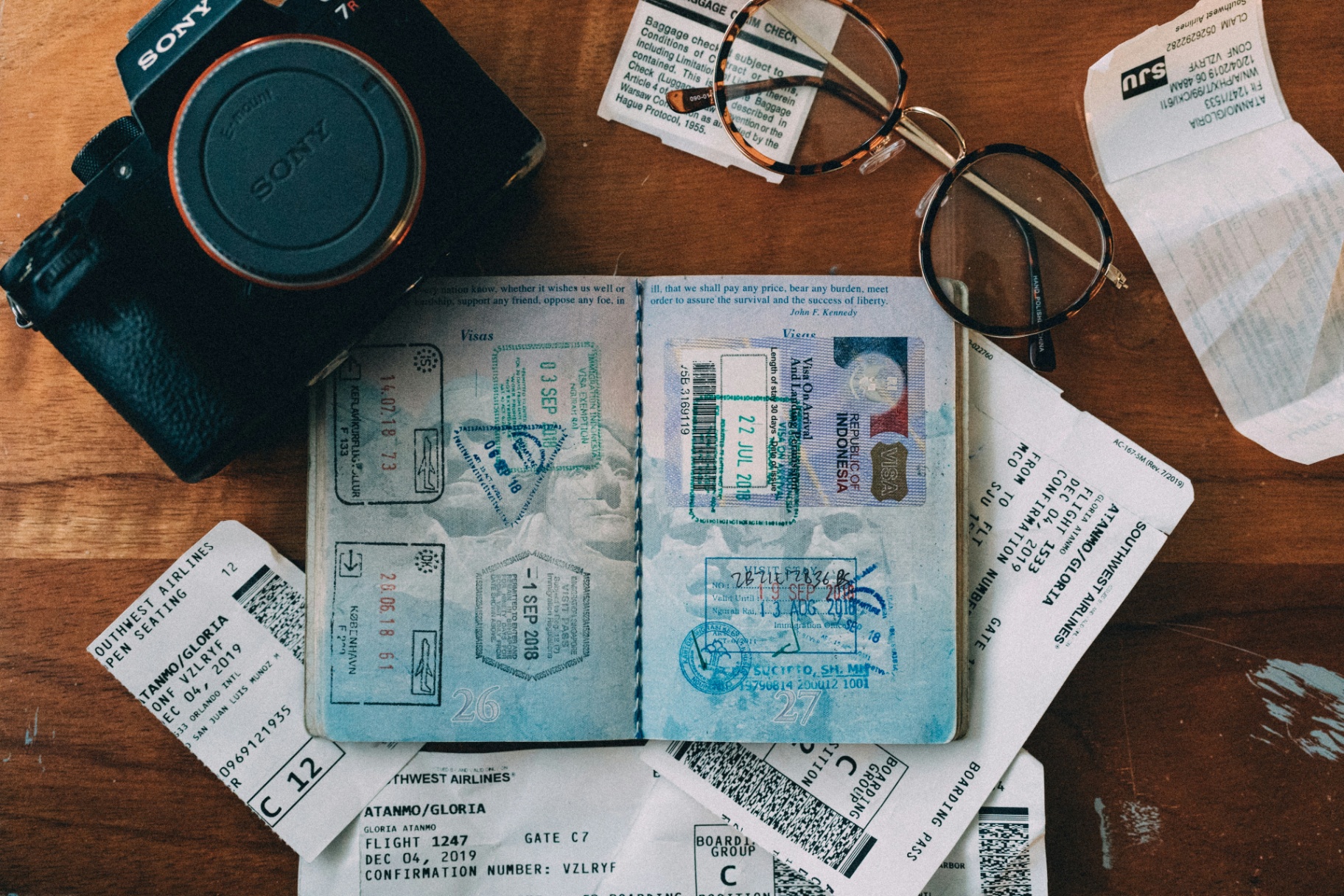
You'd be surprised how many people show up at the port without the right documents. There is a narrower exception than most people assume: certain U.S. citizens on qualifying closed-loop cruises — sailings that begin and end at the same U.S. port and travel within the applicable region — may be able to present alternative proof of citizenship instead of a passport book, and what's acceptable can depend on the traveler's age and citizenship. That is not universal, and a birth certificate is not automatically sufficient. Destination countries and cruise lines may still require a passport. Confirm the details with U.S. Customs and Border Protection's closed-loop cruise guidance, your cruise line, and every destination before you sail. Practically speaking, a passport book is strongly advisable: an emergency flight home from a foreign port generally requires one.
What to do instead: Check the entry and document requirements for every single port of call. Some foreign destinations require at least six months of passport validity beyond your trip dates, while others use different requirements — verify the official destination requirements with the U.S. State Department passport FAQ before booking and again before departure. Bring photocopies of all important documents — passport, cruise confirmation, travel insurance info — and store digital copies in your email or a cloud drive. If you're traveling with kids, some ports require additional documentation like birth certificates or notarized letters from non-traveling parents.
8. Not Getting Travel Insurance
This might be the most important tip in this entire article. Cruises are a significant investment — often thousands of dollars — and things can go wrong. Medical emergencies at sea, trip cancellations due to weather, missed connections, lost luggage. Without travel insurance, you're on the hook for all of it.
The consequence? A medical evacuation from a ship at sea can cost $50,000 or more. A cancelled cruise without "cancel for any reason" coverage? You lose your entire fare.
What to do instead: Purchase comprehensive travel insurance as soon as you book your cruise. Look for policies that cover trip cancellation, trip interruption, medical emergencies, and medical evacuation. "Cancel for any reason" coverage costs more but gives you maximum flexibility. Don't rely on credit card travel benefits alone — read the fine print, because coverage is often limited.
9. Spending the Entire Cruise Only at the Pool
Look, I love a good pool day as much as anyone. But cruise ships are packed with incredible experiences that first-timers often miss because they don't explore beyond the lido deck. Cooking classes, wine tastings, live shows, spa treatments, trivia tournaments, behind-the-scenes ship tours — the list goes on.
What to do instead: On your first day aboard, grab the daily newsletter (or open the cruise line's app) and go through the schedule. Highlight the things that interest you. Many activities are included in your fare and don't cost a dime extra. Sea days are perfect for exploring every corner of the ship — trust me, you'll find hidden gems you didn't know existed. That quiet adults-only sundeck on Deck 16? Pure bliss.
10. Not Using a Travel Advisor
I know, I know — this one sounds self-serving. But hear me out. The cruise world is enormous. There are dozens of cruise lines, hundreds of ships, thousands of itineraries, and an overwhelming number of cabin categories, add-ons, and promotions. Trying to sort through all of that on your own? It's exhausting, and it's easy to miss deals or make choices that don't fit your travel style.
The consequence? You book a party ship when you wanted a relaxed getaway. You pick an inside cabin when a balcony was only $30 more per night. You miss a promotion that would have saved you hundreds of dollars.
What to do instead: Work with a travel advisor who specializes in cruises. A good advisor doesn't just book your trip — they match you with the right ship, the right cabin, and the right itinerary for your personality, budget, and travel goals. And here's the best part: most travel advisors don't charge you a fee. They're compensated by the cruise lines, so you get expert guidance at no extra cost. It's genuinely one of the smartest moves you can make as a first-time cruiser. You can see how I approach cruise planning and browse the cruise destinations I sail most.
First-Time Cruise Questions
Do I need a passport for my first cruise?
Document requirements vary by cruise line, itinerary, and citizenship, so always confirm what your specific sailing requires before you book. A valid passport is still the safest document to carry: if you ever have to fly home from a foreign port because of a medical issue or a missed departure, a passport is what gets you back quickly.
Are drink packages worth it?
Only if you do the math first. Add up what you realistically drink in a day — coffees, sodas, cocktails, bottled water — and compare that to the daily package price plus gratuity. Light drinkers usually come out ahead paying as they go.
Should I book shore excursions through the cruise line?
Cruise-line excursions usually cost more but are coordinated with the ship's schedule. Independent tours are often cheaper and smaller — confirm the operator's return-to-ship policy and leave a generous buffer before departure time if you book on your own.
Does it cost more to book a cruise through a travel advisor?
Usually not. Most advisors are compensated by the cruise lines, so you get help matching the right ship, cabin, and itinerary to your travel style at no extra cost to you.
Ready to Set Sail?
Listen, your first cruise should be exciting — not stressful. And with a little preparation, it absolutely will be. Every seasoned cruiser was once a first-timer who had to figure things out. The difference is, now you've got a head start.
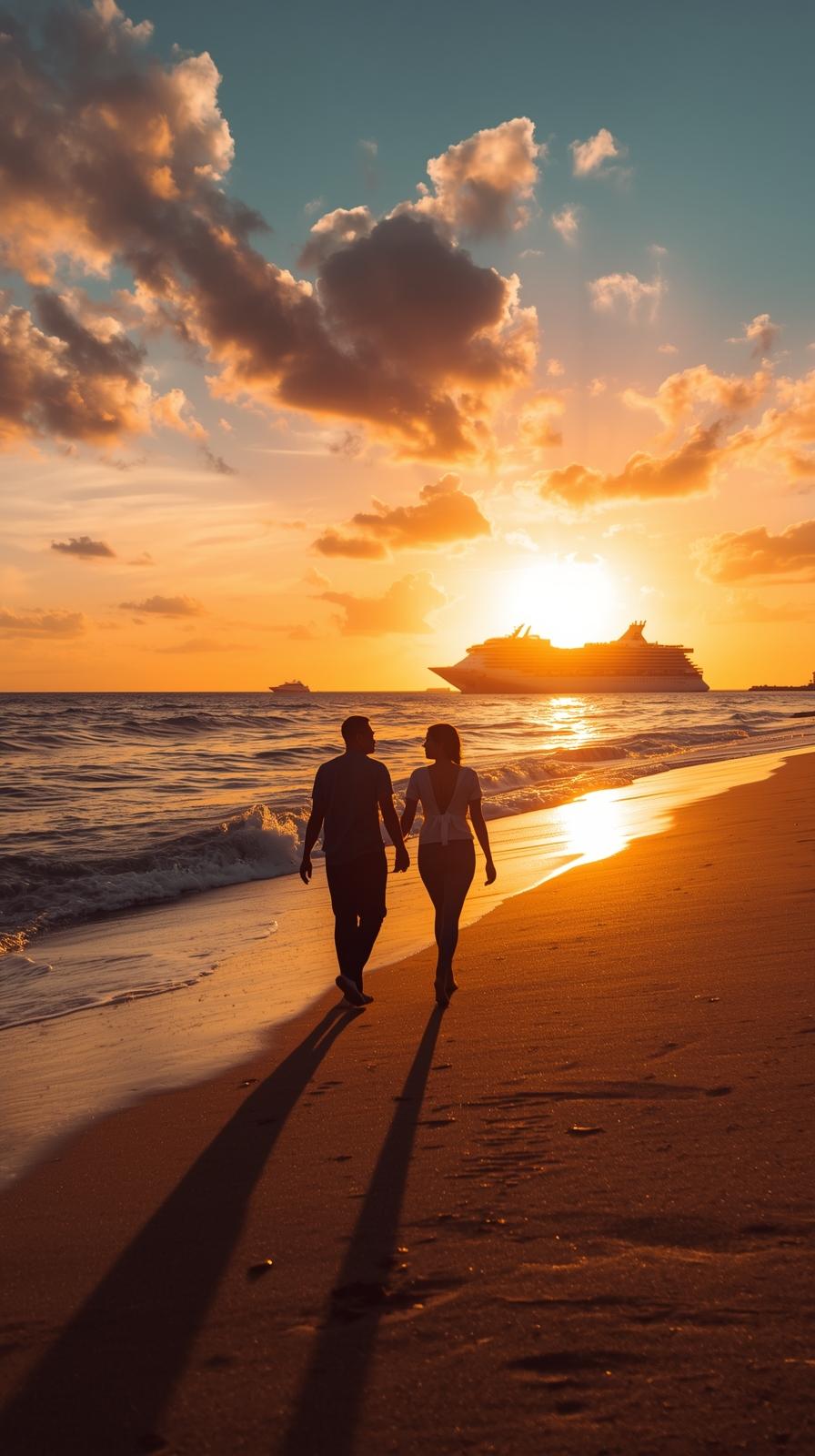
Avoid these mistakes, pack smart, plan ahead, and give yourself permission to enjoy every single moment. From the first time you see the ship towering above the port to the last sunset from your balcony — it's going to be unforgettable.
And if you want more tips, honest reviews, and travel stories from someone who's been to 40+ countries and counting — you're in the right place.
Travel smarter. Go farther. Feel at home anywhere.
About the Author
Tony Pagan — Travel Advisor & Content Creator
Tony Pagan is a professional travel advisor and the founder of Tony Talks Travel. With over 40 countries of first-hand experience, Tony specializes in custom itineraries, cruise planning, Italy & European travel, family vacations, and luxury escapes. He is a Fora Travel Advisor dedicated to helping travelers explore the world with confidence.
Read Tony's Full Story