
By Tony Pagan, Travel Advisor · Published March 1, 2026
I've stayed in hostels where the shower was a garden hose, and I've sipped champagne on a private balcony watching the sun set over the Mediterranean. I've eaten €3 street food that changed my life, and I've had €200 tasting menus that were… fine. After 40+ countries and every tier of travel imaginable, I've learned one thing: the price tag doesn't always match the experience.
But sometimes it does. Sometimes the splurge is worth every single cent — and sometimes the budget option delivers more joy, more authenticity, and better memories than the luxury version ever could. The trick is knowing which is which.
This isn't a "luxury is better" or "budget is better" article. It's an honest breakdown from someone who's lived both sides, often on the same trip. If you’d rather not run these trade-offs alone, that comparison work is a big part of what I do as a travel advisor. Here's what I've learned about when to save, when to spend, and how to get the best of both worlds.

Hotels & Resorts: Where the Splurge Matters Most
This is where the budget-vs-luxury debate gets real. A great hotel can transform an entire trip. A mediocre one is just a place you slept. Here's my honest take:
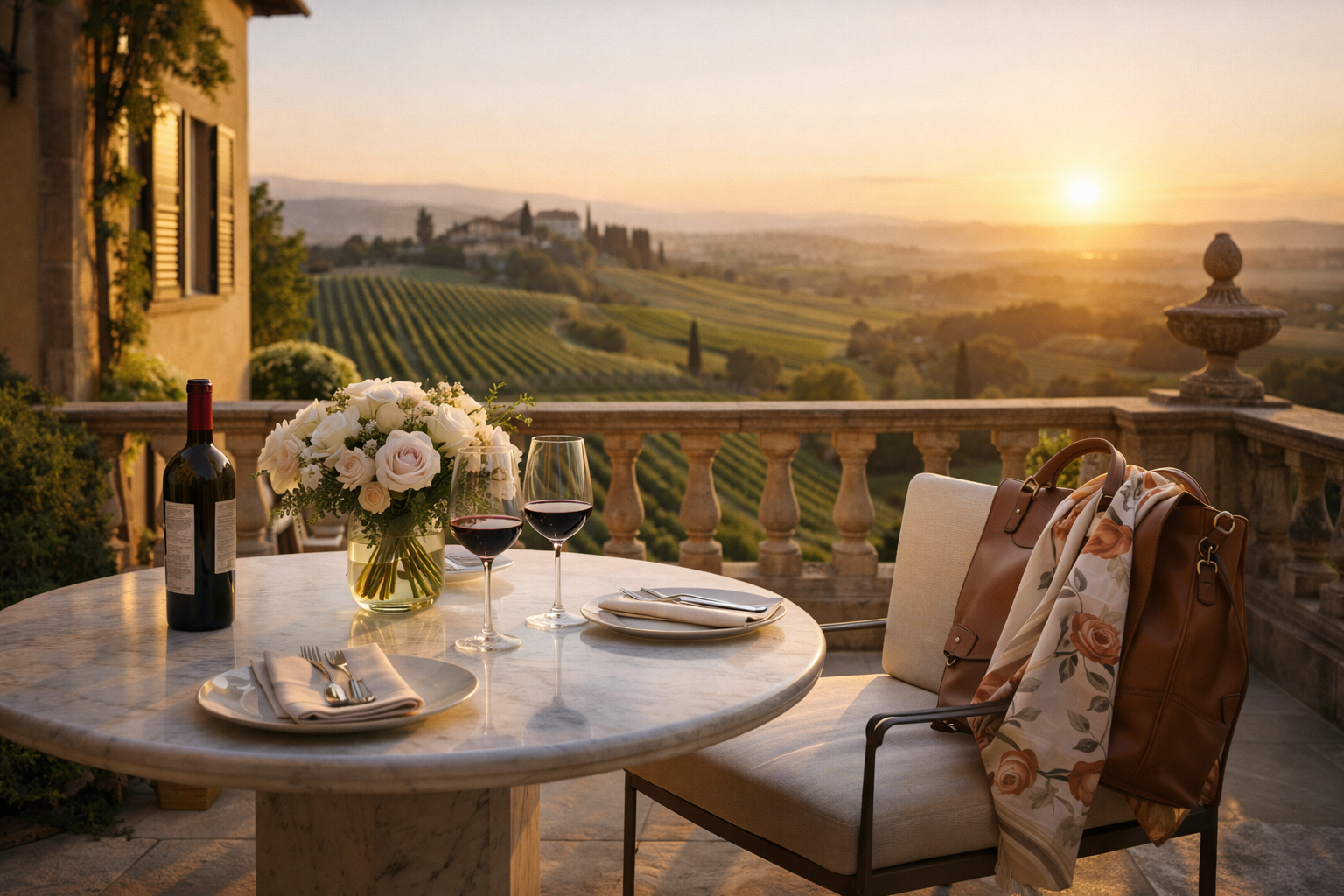
Splurge when: You're celebrating something — an anniversary, a honeymoon, a milestone birthday. When the hotel is the experience. A beachfront resort in Belize with an infinity pool isn't just a room; it's the whole point of the trip. A boutique hotel in Tuscany with vineyard views and a private terrace? That's not accommodation — that's the memory. Those are the trips I plan under luxury vacations.
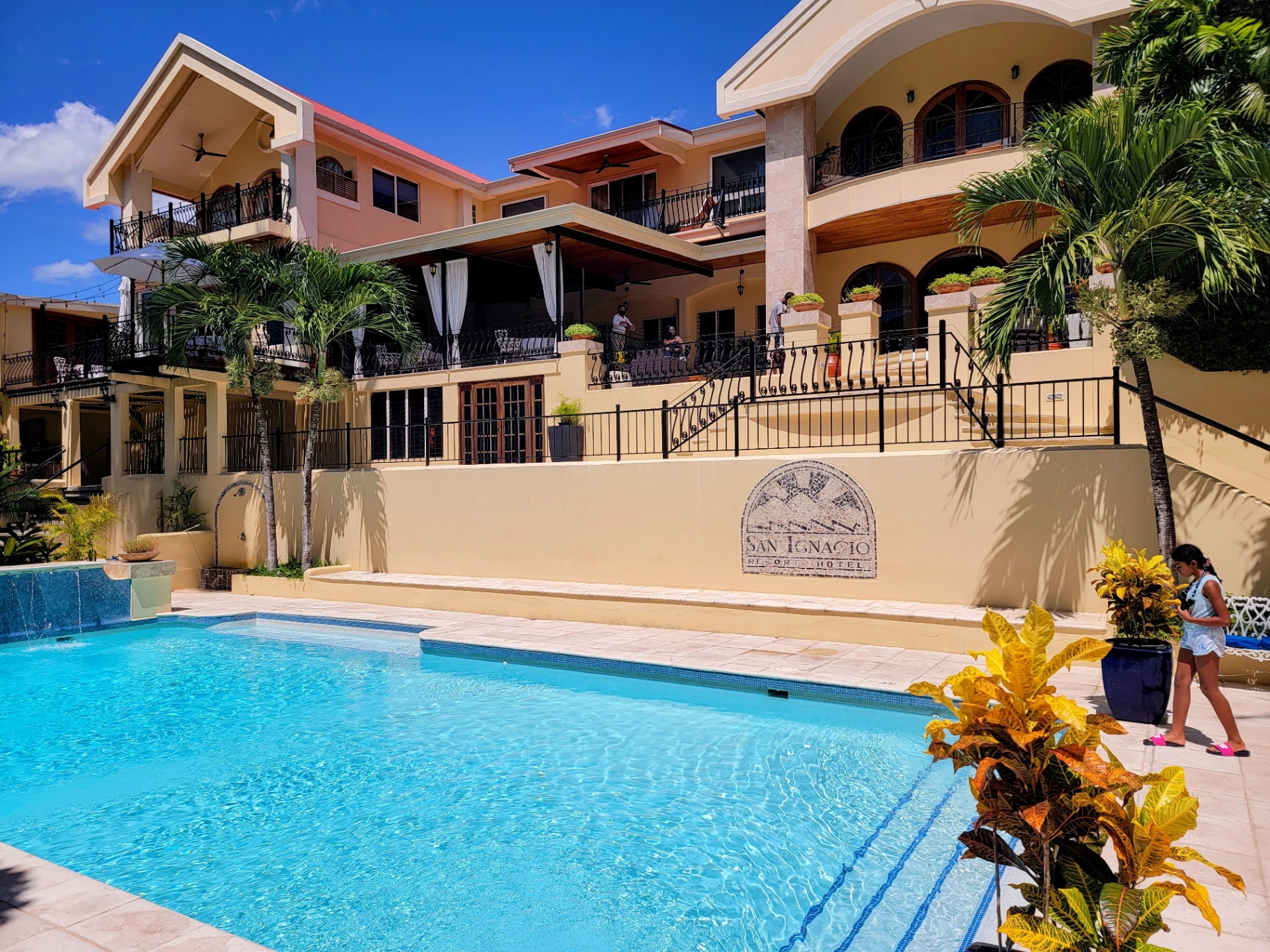
Save when: You're in a transit city. If you're spending one night in a city before flying out the next morning, a clean, comfortable 3-star hotel is all you need. You're not there for the hotel — you're there for the destination. Same goes for road trips where you're driving all day and just need a bed.
The sweet spot: Mid-range boutique hotels and well-reviewed Airbnbs. You get character, comfort, and often a kitchen — all without the luxury price tag. I've stayed in €80/night apartments in Croatia that rivaled €300/night hotels in terms of views and comfort.
Cruising: The Great Equalizer
Here's what people don't understand about cruises: the ship is the same whether you're in an inside cabin or a penthouse suite. The pools, the shows, the restaurants, the ports — everyone gets the same experience. The difference is what happens when you go back to your room.
Splurge when: It's a special occasion cruise. Your anniversary, a family reunion, a once-in-a-lifetime itinerary. A balcony cabin (or better) makes all the difference when you're watching the sun set over Santorini from your private veranda with a glass of wine. Those moments are priceless.
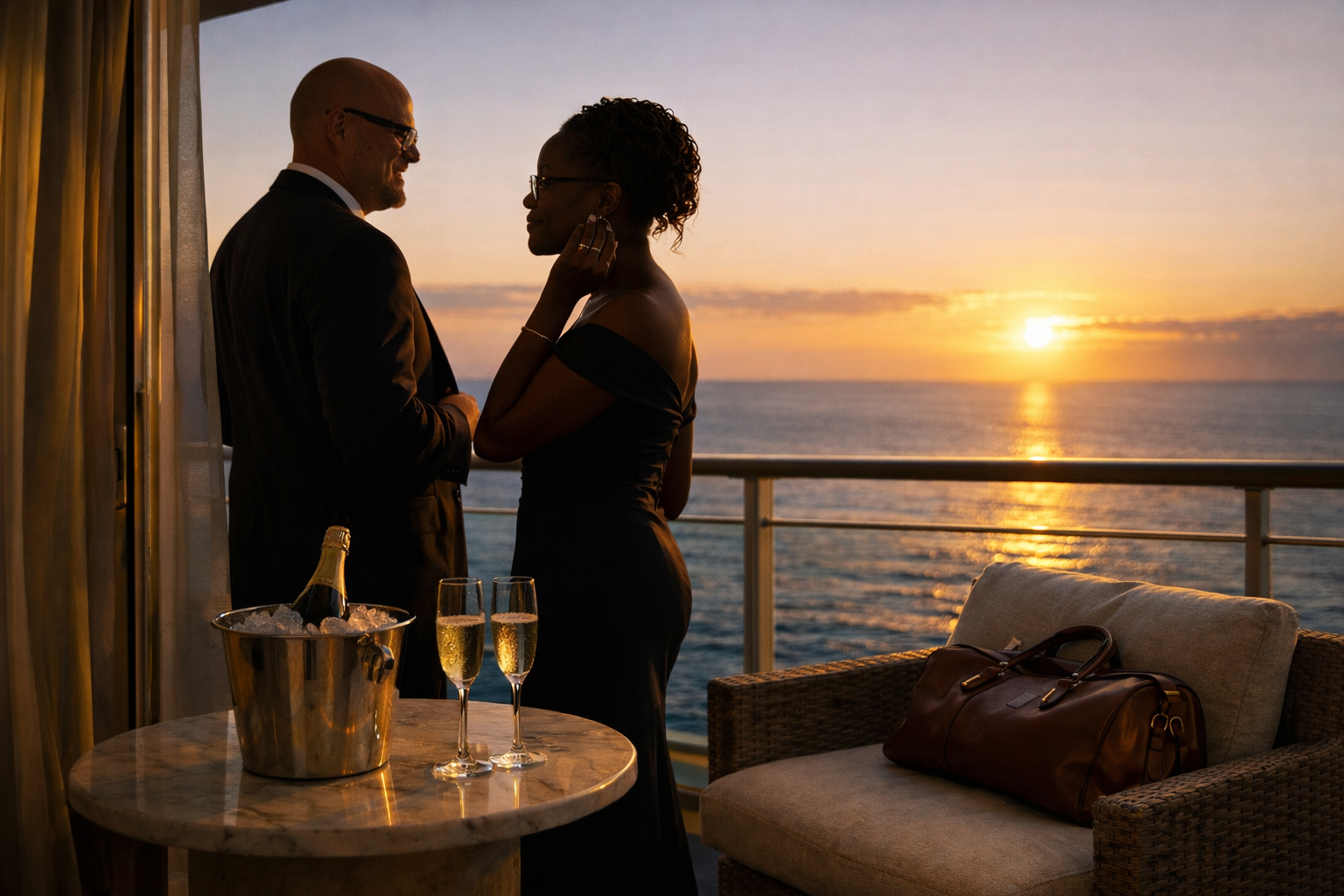
Save when: You're a first-timer just testing the waters (literally). Book an inside cabin on a mainstream cruise line. You'll spend most of your time out of the room anyway. Use the savings on shore excursions and specialty dining — that's where the real value is.
Pro tip: Repositioning cruises are the ultimate hack. Ships need to move between seasons (Caribbean → Mediterranean, Alaska → Asia), and they sell those one-way voyages at massive discounts. I've seen 14-night transatlantic cruises for under $500 per person. The catch? Lots of sea days. The reward? Lots of sea days. (If you love the ship life, this is a feature, not a bug.)

Food: Where Budget Often Wins
I'm going to say something controversial: the best meals I've ever had were almost never the most expensive ones. A €4 porchetta sandwich in Rome. Street tacos in Mexico City for less than a dollar. Fresh ceviche at a beachside shack in Belize. A home-cooked dinner at a family-run agriturismo in Tuscany.
Fine dining has its place — and when it's exceptional, it's truly exceptional. But in my experience, the correlation between price and pleasure in food is surprisingly weak. Here's my rule:
- Splurge on one "wow" meal per trip. Pick the best restaurant at your destination — the one everyone talks about — and go all in. Get the tasting menu. Order the wine pairing. Make it an event. One unforgettable meal beats five forgettable expensive ones.
- Eat like locals the rest of the time. Markets, trattorias, food trucks, family-run spots. The food is better, the atmosphere is more authentic, and your wallet will thank you.
- Never eat next to a major tourist attraction. The closer you are to the Eiffel Tower, the Colosseum, or Times Square, the worse and more expensive the food gets. Walk 10 minutes in any direction and you'll find the real stuff.
Flights: The Math Doesn't Lie
Under 4 hours? Economy. Every time. No business class seat is worth $2,000 extra for a flight from New York to Miami. Noise-canceling headphones, a good book, and a neck pillow — you're fine.
Over 8 hours? This is where it gets interesting. A lie-flat seat on a 12-hour flight to Europe or Asia isn't just comfort — it's arriving rested and ready to go instead of spending your first day in a jet-lagged fog. If you can afford it (or use points), this is one of the smartest splurges in travel.
The hack: Credit card points and airline miles make premium cabins accessible to everyone. I've flown business class to Europe on points multiple times. It takes planning, but the value is incredible — $5,000+ tickets for effectively free. If you're not maximizing travel credit cards, you're leaving money (and lie-flat seats) on the table.
Experiences: Always Worth the Investment
If there's one category where I say always spend the money, it's experiences. A private guided tour of the Vatican. A sunset sailing trip in the Greek islands. A hot air balloon ride over Cappadocia. A cooking class with a local family in Thailand.
These are the things you'll remember 20 years from now. Not the thread count of your hotel sheets. Not whether you flew economy or business. The experiences — the ones that make you feel something — are where every dollar delivers maximum return.
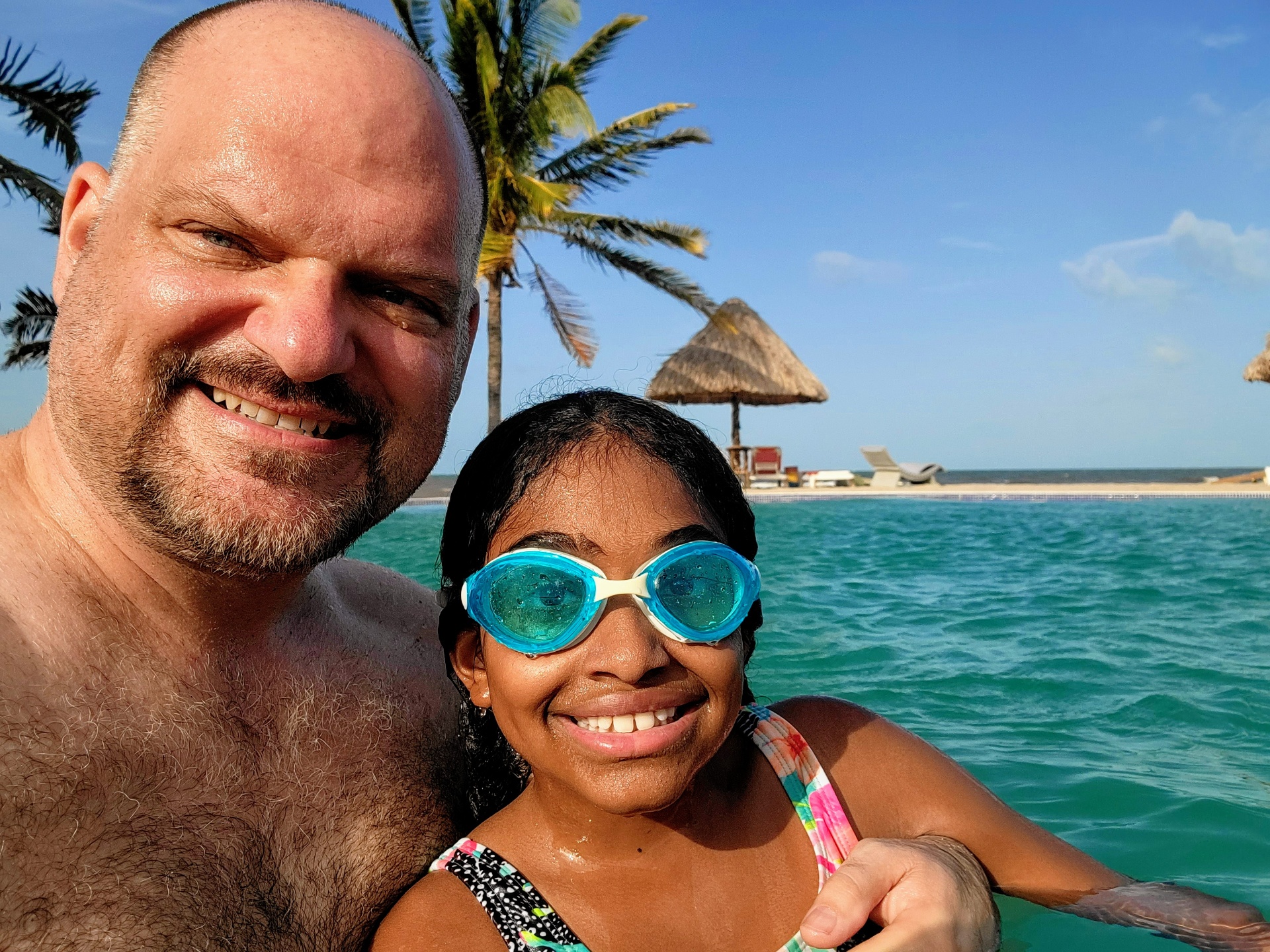
Budget travel and luxury travel aren't opposites — they're tools. The best travelers I know use both, strategically, on the same trip. They'll fly economy to save money, then use those savings on an incredible hotel. They'll eat street food for lunch and splurge on a gourmet dinner. They book inside cabins but spring for the best shore excursion.
The Bottom Line
Tony's Splurge-or-Save Cheat Sheet:
✅ Splurge On
Once-in-a-lifetime experiences, celebration accommodation, long-haul flights, private tours at bucket-list destinations, and that one unforgettable meal per trip.
💰 Save On
Transit hotels, short flights, everyday meals, city transportation, souvenirs, and anything you won't remember in five years.
🎯 The Sweet Spot
Mix and match on the same trip. Fly economy, stay luxury. Eat cheap, dine once. Book an inside cabin, pay for the best excursion. This is how smart travelers maximize every trip.

The real luxury in travel isn't the price tag — it's the freedom to enjoy every moment without worrying about whether you made the right choice. Spend wisely, splurge intentionally, and always prioritize the experiences that make your heart full. That's the real return on investment.
Frequently Asked Questions
Is luxury travel really worth the extra cost?
It depends on the context. For milestone celebrations, honeymoons, and bucket-list destinations, the upgrade creates memories that justify the cost. For routine travel, budget options often deliver the same satisfaction with better authenticity.
Where should I splurge and where should I save?
Splurge on experiences, special-occasion accommodation, and long flights. Save on transit hotels, short flights, everyday meals, and transportation. The sweet spot is mixing both on the same trip.
Can you have a luxury experience on a budget?
Absolutely. Book a luxury resort for 2 nights instead of 7. Use credit card points for business class flights. Take repositioning cruises. Eat street food for lunch and splurge on one incredible dinner. Strategic spending creates luxury moments without luxury budgets.
Want Help Planning the Perfect Mix?
If you like working through the trade-offs yourself, the Stress-Free Trip Planner Kit gives you the worksheets I use. If you’d rather I do it with you, send me your trip details.
About the Author
Tony Pagan — Travel Advisor & Content Creator
Tony Pagan is a professional travel advisor and the founder of Tony Talks Travel. With over 40 countries of first-hand experience, Tony specializes in custom itineraries, cruise planning, Italy & European travel, family vacations, and luxury escapes. He is a Fora Travel Advisor dedicated to helping travelers explore the world with confidence.
Read Tony's Full Story